


Aging is often measured in birthdays, but the body keeps a different record. Biomarkers of aging are measurable biological signals found in blood, tissues, and cells that reflect how the body is functioning at the molecular and cellular levels. As preventive medicine shifts its focus from treating disease to understanding decline before it appears, these markers are becoming a meaningful way to distinguish lifespan from healthspan. Lifespan counts years, while healthspan reflects the years lived with full function. Understanding this distinction is the first step toward a more informed view of aging.
A biomarker is a measurable indicator of a biological state. Disease biomarkers are typically used to detect or monitor a specific condition, while aging biomarkers describe broader, ongoing biological processes that unfold across the entire body over time. No single biomarker tells the complete story of aging. Instead, researchers look at a profile, a combination of molecular, functional, and clinical measures, because aging involves many interconnected systems. A robust picture of biological aging comes from looking across multiple markers rather than relying on any one number in isolation.
Biomarkers matter because they offer a way to observe change before it becomes symptomatic. Subtle shifts in inflammation, metabolic health, or cellular function can signal accelerated aging long before functional decline is noticeable. This has several practical applications:
In this way, biomarkers help shift the conversation from reacting to illness toward understanding the body’s baseline function.

Chronological age is simple. It’s the number of years since birth. Biological age is different. It reflects how the body’s systems are actually functioning, based on molecular and physiological markers rather than a calendar. Two people of the same chronological age can have very different biological ages, shaped by genetics, environment, and daily habits. Biological age is considered more informative for understanding healthspan because it correlates more closely with functional capacity and the risk of age-related diseases than chronological age alone.
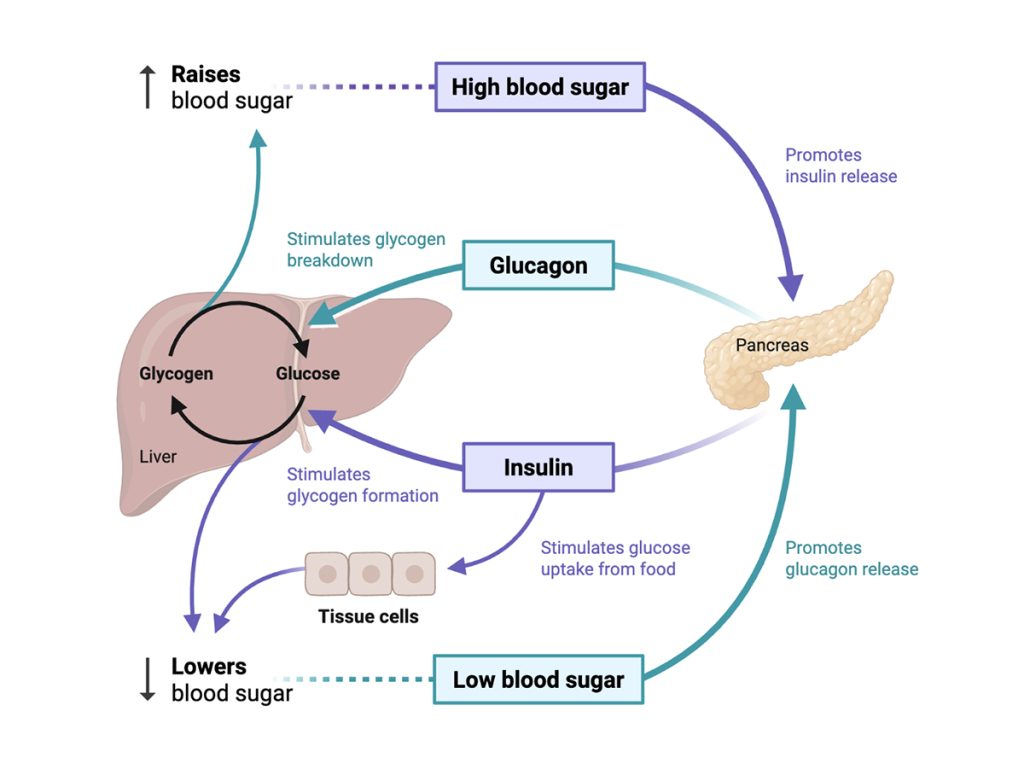
Chronic, low-grade inflammation, often called “inflammaging,” is one of the most studied contributors to age-related functional decline. Key markers include C-reactive protein (CRP), a general indicator of systemic inflammation; interleukin-6 (IL-6), a signaling protein linked to immune and metabolic activity; and TNF-alpha, another inflammatory messenger associated with cellular stress. Alongside inflammation, blood sugar regulation, measured through markers like fasting glucose, insulin, and HbA1c, offers insight into metabolic health and insulin resistance, both of which are closely tied to the pace of biological aging.
Where to get it: These markers can be measured through routine bloodwork at any major laboratory, including Quest Diagnostics, LabCorp, and other standard testing facilities.
Cell membrane biomarkers offer insight into how cellular structure and function co-mingle to support long-term health. This class of biomarkers is relatively new in the healthcare space and includes phosphatidylcholine, choline plasmalogens, and DHA plasmalogens. The metabolic rationale for measuring and tracking these markers runs deep: insufficiencies or deficiencies in these compounds have been associated with mental health and physical conditions, including anxiety, cardiovascular diseases, and neurodegenerative conditions, adding valuable clinical context alongside other biomarker categories.
Where to get it: These markers can be measured through Prodrome Science’s ProdromeScan or BioMetrix BioScan panel.
Cardiovascular markers offer a window into vascular aging. Blood pressure remains a foundational measure, while ApoB and LDL particle number provide a more detailed profile of lipid-related risk than total cholesterol alone. HDL and triglycerides round out the picture, together helping to describe how efficiently the cardiovascular system is functioning as it ages.
Where to get it: These markers can be measured through routine bloodwork at any major laboratory.
What to ask for: A standard lipid profile, along with advanced lipid fractionation or NMR profile testing.
Muscle health is a strong, functional predictor of healthy aging. Grip strength, muscle mass, walking speed, and VO2 max are commonly used markers, each reflecting a different dimension of physical function. Because muscle health interacts directly with metabolism, mobility, and independence, these markers are often considered some of the most practical, real-world indicators of biological age.
Where to get it: A quick web search in your area for providers offering VO2 max testing or a body composition scan will turn up local options, from fitness labs and physical therapy clinics to sports performance centers.

Organ function markers such as creatinine and estimated glomerular filtration rate (eGFR) reflect kidney health, while ALT and AST provide insight into liver function. These markers matter because the kidneys and liver play central roles in filtering, processing, and regulating the body’s internal environment, functions that tend to shift gradually with age.
Where to get it: These markers can be measured through routine bloodwork at any major laboratory.
Hormonal balance shifts throughout life, influencing everything from metabolism to mood to muscle maintenance. Markers related to thyroid function, sex hormones, and cortisol regulation offer insight into how the endocrine system is adapting over time. Because hormones interact with nearly every other system in the body, hormonal biomarkers are often considered alongside metabolic and inflammatory markers rather than separate from them.
Where to get it: These markers can be measured through routine bloodwork at any major laboratory.
Cognitive biomarkers focus on measures of memory, processing speed, and executive function, often assessed through standardized cognitive testing. While the science connecting specific molecular markers to cognitive aging is still developing, functional cognitive assessment remains one of the more direct ways to observe age-related change in the brain.
Immune aging, sometimes called immunosenescence, involves gradual shifts in white blood cell counts and overall immune resilience. As the immune system ages, its ability to respond efficiently to new challenges can decline, which is part of why immune function is considered a core pillar of healthy aging alongside inflammation and metabolic health.
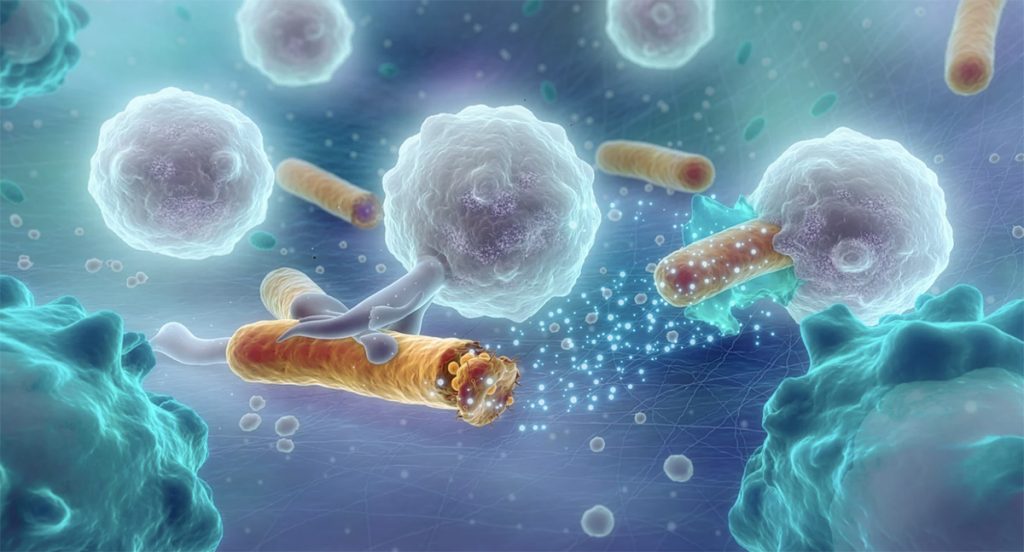
The gut microbiome, the community of microorganisms living in the digestive tract, shifts in composition and diversity with age. A more diverse microbiome has been associated with markers of metabolic and immune health, reflecting the growing recognition that microbiome and aging are closely linked. This connection is part of a broader story. The human body evolved in close relationship with its environment, and modern shifts in diet, soil, and daily exposure have changed that relationship substantially.
Where to get it: Microbiome testing is available through providers such as Genova Diagnostics, Tiny Health, or GutID.
Two of the most discussed emerging tools are epigenetic clocks and telomere length. Epigenetic clocks use patterns of DNA methylation, chemical modifications to DNA that influence gene expression, to estimate biological age. These clocks have shown a meaningful link to functional outcomes across large research cohorts, though scientists continue to refine and validate them, since no single clock has proven uniformly predictive across every population or condition. Telomere length, the protective caps at the ends of chromosomes, has long been studied as a marker of cellular aging, though its predictive value at the individual level is still debated within the research community.
Functional Pearl: While epigenetic clocks and telomere length are enticing measurements to collect, understanding cell membrane biomarkers and other core biomarkers of health (see above) is a more relevant and granular approach to healthspan optimization.
Proteomics and metabolomics examine the full profile of proteins and metabolic byproducts circulating in the body. Rather than isolating a single marker, these approaches look at broad molecular patterns, offering a more complete picture of how aging unfolds across biological systems. As these fields mature, they hold promise for more precise, individualized aging profiles.
Biomarkers of healthy aging offer a more nuanced way to understand healthspan, one grounded in measurable biological function rather than years alone. No single marker defines the aging process, but together, they form a profile that can help guide informed, preventive decisions. As research continues to validate these tools, the gap between chronological and biological age may become one of the more useful lenses for understanding long-term health.
Healthy aging starts with the inputs the body receives daily, from soil to cell. Explore how Advanced Humeomics approaches the science of the humeome and its role in supporting the body’s natural systems. Follow Advanced Humeomics on social media and subscribe to the newsletter for more insights on biomarkers, healthy aging, and the science behind healthspan.
This blog is for educational purposes only and does not constitute medical advice. Reference ranges listed reflect functional medicine benchmarks and may differ from standard laboratory normals. Always work with a qualified healthcare provider when interpreting lab results or making clinical decisions. | Humeo.io
