


Summer heat changes the conditions your digestive system works under. On hot days, the body prioritizes cooling: blood flow shifts toward the skin, sweating increases, and fluid and electrolyte needs rise. For most people, that does not mean heat directly harms the gut. It means that digestion may become more vulnerable to the things that commonly accompany summer – dehydration, heavier outdoor activity, disrupted routines, unfamiliar food and water, and food left too long in warm temperatures.
That is why gastrointestinal health can feel less predictable during the summer months. Constipation may show up when fluid intake falls behind sweat losses. Nausea, stomach pain, or loss of appetite can accompany overheating or early heat exhaustion. Diarrhea may be related to contaminated food or water, especially during travel, picnics, barbecues, and other situations where normal food-safety routines become harder to maintain.
The good news is that many summer GI issues are preventable. A few consistent habits – drinking fluids before thirst becomes intense, replacing electrolytes during prolonged sweating, keeping cold foods cold, and being selective with food and water while traveling – can help the digestive system stay steadier through hot weather.

During heat stress, the body uses circulation and sweating to remove heat. Blood flow can be directed away from the internal organs and toward the skin, particularly during strenuous activity or severe heat exposure. Research on exercise-heat stress describes declines in splanchnic, or gut-region, blood flow under these conditions. This is one reason some people notice nausea, cramping, urgency, or reduced appetite during prolonged heat exposure or intense exercise in hot weather.
For everyday summer activity, this effect should not be overstated. A short walk in warm weather is not the same as prolonged exertion in extreme heat. But the physiology helps explain why the gut may feel more reactive when heat, dehydration, heavy meals, alcohol, intense exercise, and poor sleep occur together.
Hydration matters because water supports saliva, gastric secretions, intestinal movement, stool formation, and mucosal comfort. When fluid intake falls behind sweat losses, stool can become drier and harder to pass. Clinical references list insufficient fluid intake as a common lifestyle contributor to constipation.
Thirst is useful, but it is not always an early warning signal. Older adults, people exercising in heat, travelers, and people taking medications that affect fluid balance may need to be more intentional. Early clues that fluid intake is falling behind can include dry mouth, darker or less frequent urination, headache, fatigue, dizziness, and reduced exercise tolerance. For many people, the most practical approach is simple: drink regularly across the day, increase fluids during outdoor activity, and consider electrolytes when sweating is prolonged or heavy. Electrolytes are especially relevant when heat exposure is paired with exercise, long travel days, or repeated sweating.

Summer-related GI symptoms often have more than one driver. A person may be mildly dehydrated, eating differently, sleeping poorly, and exposed to unfamiliar food handling all at the same time. Common symptoms include:
Symptoms that are severe, persistent, bloody, associated with high fever, or accompanied by confusion, fainting, chest pain, or inability to keep fluids down deserve medical evaluation rather than self-management.
The food-safety section is one of the most important parts of this topic because it is practical and well supported. Bacteria can multiply quickly when food is held in the temperature danger zone. CDC and FDA guidance advise refrigerating perishable foods within 2 hours, or within 1 hour when food has been exposed to temperatures above 90°F. USDA guidance also emphasizes keeping cold foods at or below 40°F and hot foods at or above 140°F.
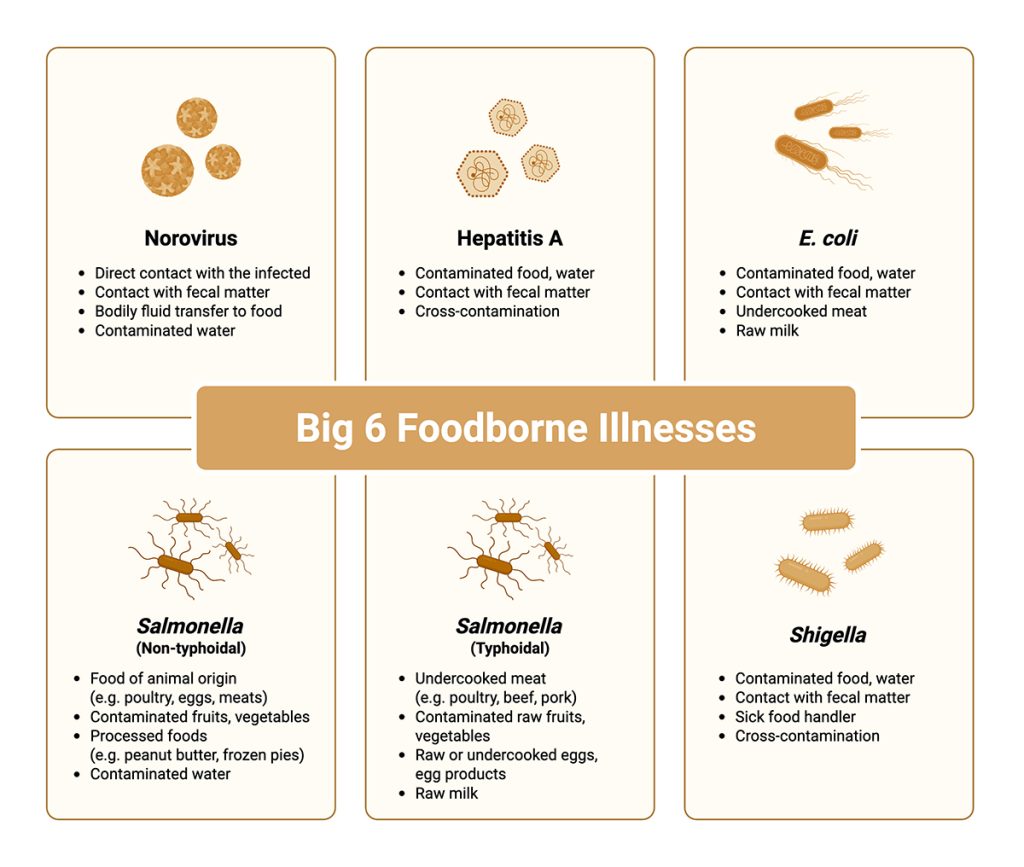
This matters at barbecues, pool days, sports events, beach trips, and picnics. Higher-risk foods include meat, poultry, seafood, eggs, dairy, cut fruit, cooked rice or pasta dishes, and prepared salads that sit unrefrigerated. The safest pattern is straightforward: keep perishables in a cooler or refrigerator, use a food thermometer for meat, avoid cross-contamination between raw and cooked foods, wash hands and surfaces, and discard food that has been left out too long. Food poisoning can cause nausea, vomiting, stomach pain, diarrhea, fever, and fatigue. Because these symptoms can overlap with dehydration or heat exhaustion, the context matters: what was eaten, how long it sat out, whether others became sick, and whether symptoms include fever, blood, severe pain, or persistent vomiting.
Travel can affect the digestive system even when nothing dramatic happens. Meal timing changes, sleep is shortened, bathroom routines shift, and people often eat more restaurant or convenience food. Dehydration can also be more likely during flights, long drives, hot sightseeing days, and alcohol intake.
Infectious risk is a separate issue. CDC travel guidance notes that contaminated food and water can transmit pathogens associated with travelers diarrhea. The risk varies by destination, sanitation conditions, food handling, and individual susceptibility. Practical precautions include choosing food that is cooked and served hot, using safe water sources, washing hands, avoiding ice or raw produce when water safety is uncertain, and being cautious with street food or unrefrigerated items in hot environments.
Summer heat does not usually damage the gut directly. It changes the operating environment. Heat shifts circulation, raises sweat losses, increases dehydration risk, accelerates food-safety problems, and often overlaps with travel and routine disruption. That combination can make GI symptoms more likely during the summer months.
The most credible message is also the most practical: stay ahead of hydration, handle food carefully, respect signs of heat illness, and keep travel routines as steady as possible. These habits do more for summer digestive comfort than any single quick fix.
1. CDC NIOSH. Heat-related Illnesses. Centers for Disease Control and Prevention. https://www.cdc.gov/niosh/heat-stress/about/illnesses.html
2. CDC. About Heat and Your Health. Centers for Disease Control and Prevention. https://www.cdc.gov/heat-health/about/index.html
3. CDC. Preventing Food Poisoning. Centers for Disease Control and Prevention. https://www.cdc.gov/food-safety/prevention/index.html
4. FDA. Safe Food Handling. U.S. Food and Drug Administration. https://www.fda.gov/food/buy-store-serve-safe-food/safe-food-handling
5. USDA FSIS. Danger Zone (40°F – 140°F). U.S. Department of Agriculture Food Safety and Inspection Service. https://www.fsis.usda.gov/food-safety/safe-food-handling-and-preparation/food-safety-basics/danger-zone-40f-140f
6. Mayo Clinic. Constipation – Symptoms and causes. Mayo Clinic. https://www.mayoclinic.org/diseases-conditions/constipation/symptoms-causes/syc-20354253
7. Effects of Exercise and Heat on Gastrointestinal Function. National Academies / NCBI Bookshelf. https://www.ncbi.nlm.nih.gov/books/NBK236239/
8. CDC Yellow Book. Food and Water Precautions for Travelers. Centers for Disease Control and Prevention. https://www.cdc.gov/yellow-book/hcp/preparing-international-travelers/food-and-water-precautions-for-travelers.html
9. CDC Yellow Book. Travelers Diarrhea. Centers for Disease Control and Prevention. https://www.cdc.gov/yellow-book/hcp/preparing-international-travelers/travelers-diarrhea.html
