There is no single moment of onset, no obvious signal that something has shifted. Instead, it builds quietly: a sustained, low-grade activation of the immune system that accumulates over months and years.
Research increasingly connects this background inflammatory state to a wide range of chronic diseases, from arthritis and heart disease to metabolic dysfunction. What drives it is rarely one cause. It is a pattern, lifestyle choices layered over time that gradually push the immune system away from equilibrium.
Understanding the mechanisms behind these seven habits is a meaningful place to start.
Key Takeaways
Chronic inflammation is the product of accumulated habits, from diet and sleep to stress and environmental exposures, not a single cause.
Ultra-processed foods, added sugar, and refined carbohydrates increase gut permeability and activate systemic inflammatory signaling.
An anti-inflammatory diet rich in omega-3 fatty acids, fiber, and polyphenol-rich foods supports gut and immune balance.
Poor sleep, chronic stress, and blue light exposure each disrupt the body’s natural regulatory capacity.
Supporting gut barrier integrity and the body’s detoxification processes helps maintain long-term inflammatory equilibrium.
1. Ultra-Processed Food Consumption
Ultra-processed foods: packaged snacks, fast food, fried foods, refined carbohydrates, and items with long additive lists are typically high in added sugar, industrial seed oils, and emulsifying agents. Many also contain trans fats and hydrogenated oils, which further disrupt the body’s fatty acid balance.
These foods do more than affect calorie intake.
Emulsifiers like polysorbate 80 break down the protective mucus layer lining the intestines, while refined sugars accelerate inflammatory signaling and omega-6-heavy seed oils push the body’s fatty acid balance toward chronic inflammation. Each input creates friction. Together, they create a system under sustained stress.
Over time, this combination increases intestinal permeability, commonly called leaky gut, allowing bacterial fragments to escape into the bloodstream, where the immune system detects them as a threat and mounts an inflammatory response. The problem isn’t that the body reacts. It’s that under these conditions, it rarely gets the chance to stop.
What to Do About It: Prioritize whole, minimally processed foods with short ingredient lists. An anti-inflammatory diet, similar in principle to the Mediterranean diet, emphasizes extra virgin olive oil, fatty fish (salmon, mackerel, herring), and a wide variety of fruits and vegetables.
2. Poor Sleep / Sleep Disruption
Sleep is not passive. It is one of the body’s most active periods of immune regulation. During deep sleep, the glymphatic system clears metabolic waste from the brain, cortisol levels decline, and the immune system conducts calibrated repair.
Chronic sleep disruption, even modest, consistent reductions in sleep quality, measurably elevate markers of inflammation. Studies link insufficient sleep to elevated circulating levels of C-reactive protein (CRP) and IL-6, as well as increased NF-κB activity. Disrupted sleep also reduces the body’s capacity to resolve inflammation once it has been initiated.
The mechanism is partly hormonal. Poor sleep elevates evening cortisol and sympathetic nervous system activity, both of which suppress regulatory immune signaling while amplifying inflammatory cascades. Over time, the system loses its ability to return to baseline.
What to Do About It: Maintaining consistent sleep and wake times, even on weekends, is among the most evidence-backed interventions for sleep quality. Reducing light exposure in the 90 minutes before bed, keeping the sleep environment cool, and avoiding alcohol close to sleep (which fragments sleep architecture despite its sedative effect) all meaningfully support sleep depth and consistency.
3. Chronic Stress
The stress response is a precisely designed short-term mechanism. When the body perceives threat, the HPA axis releases cortisol and catecholamines, mobilizing energy, heightening alertness, and temporarily suppressing lower-priority functions, including immune regulation. In acute doses, this is adaptive.
In chronic doses, it becomes disruptive. Sustained cortisol elevation leads immune cells to develop glucocorticoid resistance; they stop responding to cortisol’s anti-inflammatory signaling even as the hormone continues to circulate. Without this regulatory break, pro-inflammatory cytokines go unchecked.
Chronic stress also directly increases intestinal permeability through the gut-brain axis. Stress hormones affect the tight junction proteins that hold the gut lining together, creating another pathway for lipopolysaccharide translocation and immune activation. Emotional health is closely tied to this axis — psychological stress and physiological inflammation are not separate systems.
What to Do About It: Stress reduction is not always about doing less. It is about regulating the nervous system’s response. Regular aerobic exercise, diaphragmatic breathing practices, vagus nerve stimulation, and adequate sleep each reduce HPA axis reactivity over time. Even short periods of intentional rest, brief walks and reduced digital stimulation help lower baseline cortisol when practiced consistently.
4. Low Dietary Fiber Intake
The gut microbiome is a functional organ, one that communicates directly with the immune system and plays an essential role in maintaining inflammatory balance. Dietary fiber is what sustains it.
Prebiotic fibers found in vegetables, legumes, and whole grains are fermented by beneficial bacteria into short-chain fatty acids (SCFAs), particularly butyrate. Butyrate is the primary fuel for colonocytes, the cells lining the colon, and has documented anti-inflammatory effects, including inhibition of NF-κB activity and support for regulatory T-cell populations.
A chronically low-fiber diet starves these bacteria, reduces SCFA production, and allows a shift toward dysbiosis, a microbiome imbalance characterized by reduced diversity and a rise in inflammatory bacterial species. Dysbiosis is associated with increased gut permeability, lower immune tolerance, and a sustained elevation of baseline inflammatory tone.
What to Do About It: Aim for variety as much as volume. Different fiber types feed different bacterial species. Rotating sources, leafy greens, legumes, root vegetables, fruits and vegetables of varied colors, whole grains, and prebiotic-rich foods like garlic, onion, and leeks and incorporating plant-based protein sources builds microbiome diversity more effectively than relying on a single high-fiber food or supplement. Polyphenol-rich additions like turmeric, berries, and colorful produce support a healthy diet and may help reduce inflammatory tone.
5. Alcohol Consumption
Alcohol is metabolized into acetaldehyde, a reactive compound that directly damages intestinal epithelial cells, degrades tight junction proteins, and increases gut permeability. As the gut barrier becomes more permeable, inflammatory lipopolysaccharides enter circulation and activate TLR4-mediated inflammatory signaling in the liver and systemically.
Simultaneously, alcohol metabolism in the liver generates reactive oxygen species (ROS), molecules that damage cellular components and mitochondrial function. This oxidative burden depletes glutathione, the body’s primary endogenous antioxidant, leaving cells less equipped to manage inflammatory damage.
Regular alcohol consumption also suppresses regulatory T-cell (Treg) activity, reducing the immune system’s ability to self-regulate. The result is a system that is simultaneously more inflamed and less capable of resolving that inflammation.
What to Do About It: Reducing frequency often matters more than reducing per-occasion quantity if removing alcohol from your lifestyle is not achievable. Alcohol-free days allow the gut lining and antioxidant reserves time to recover. When alcohol is consumed, adequate hydration, food intake, and avoiding consecutive drinking days each reduce the cumulative burden on the liver and gut barrier.
6. Exposure to Environmental Toxins
Environmental toxin exposure is one of the less visible contributors to chronic inflammation, and one of the most difficult to control. Pesticide residues on food, heavy metals in water, plasticizers like bisphenol A (BPA) in packaging, and air pollution particulates are among the most common modern exposures.
These compounds act on the immune system through multiple pathways. Many function as endocrine disruptors, interfering with hormonal signaling in ways that alter immune cell behavior. Heavy metals such as lead, cadmium, and mercury activate the NLRP3 inflammasome, a key driver of chronic inflammation, and deplete glutathione reserves.
Importantly, many of these compounds accumulate in tissue over time. The inflammatory burden they carry is cumulative rather than episodic, making long-term physiological support more relevant than short-term response.
What to Do About It: Prioritizing filtered water, choosing organic produce for the highest-pesticide crops, reducing plastic food and beverage containers, and improving indoor air quality are all practical reduction strategies.
7. Screen Time / Blue Light Exposure
Blue light, the high-energy portion of the visible spectrum emitted by phones, tablets, monitors, and LED lighting, interacts with the body in ways that extend well beyond eye strain.
The primary mechanism involves the retina. Specialized photoreceptive cells signal the brain’s circadian clock based on light exposure. Blue light in the evening suppresses melatonin production and signals wakefulness, disrupting the circadian timing that governs sleep, hormone release, and immune regulation, initiating the same downstream inflammatory cascade described in habit two above.
But blue light also has a more direct cellular effect. Sustained exposure generates reactive oxygen species in retinal and skin cells, contributing to local oxidative stress. Combined with the immune regulatory disruption caused by poor sleep, blue light becomes a compounding factor in the inflammatory picture rather than an isolated concern.
What to Do About It: Blue-light filtering glasses and device screen settings offer modest protection. More effective is simply reducing evening screen use, particularly in the 60 to 90 minutes before sleep. Shifting to warmer, dimmer lighting after sunset and spending time in natural light during the day helps maintain the contrast the circadian system depends on to calibrate correctly.
Chronic inflammation rarely has a single origin. It is, almost always, the product of accumulated inputs, lifestyle choices layered over time that incrementally shift the immune system away from balance. The disease risk associated with sustained low-grade inflammation makes these patterns worth understanding.
Understanding the mechanisms behind these habits is the first step toward making more informed decisions. The body has its own regulatory intelligence. The goal is to stop working against it.
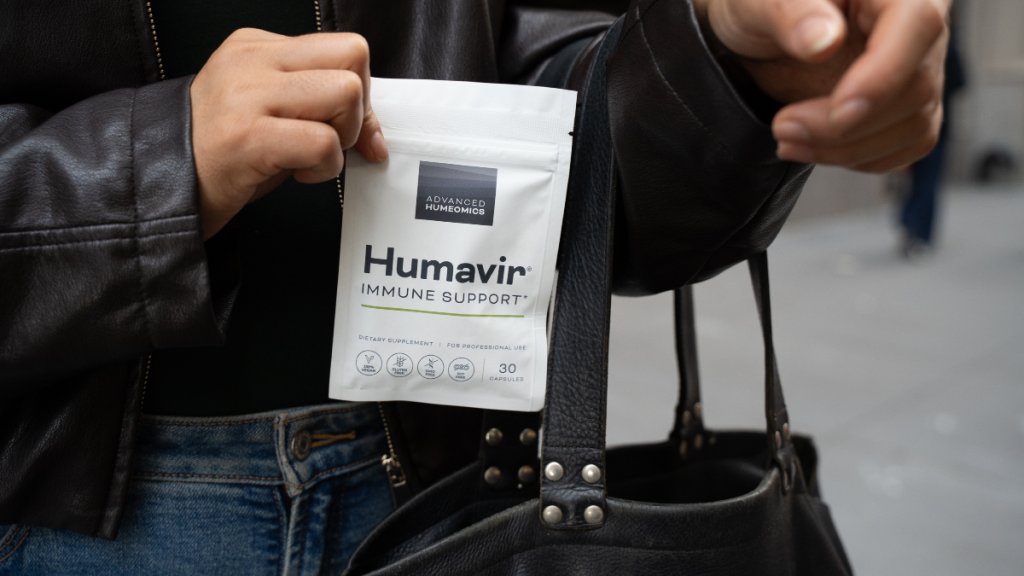
That same principle guides the science behind Advanced Humeomics.
Over time, organic matter from our ecosystems decomposed and transformed into what scientists now call the soil humeome, a complex matrix of humic substances with a chemistry that modern science is only beginning to fully understand.
Advanced Humeomics was built on the premise that this ancient system holds meaningful relevance for human health. Our products are developed at the intersection of humeomic science and clinical application, formulated to support the body’s own regulatory systems with the rigor that applied science demands. We share what we learn. We build what the research supports. And we remain committed to the integrity that both require.